

How Desalting Columns Work
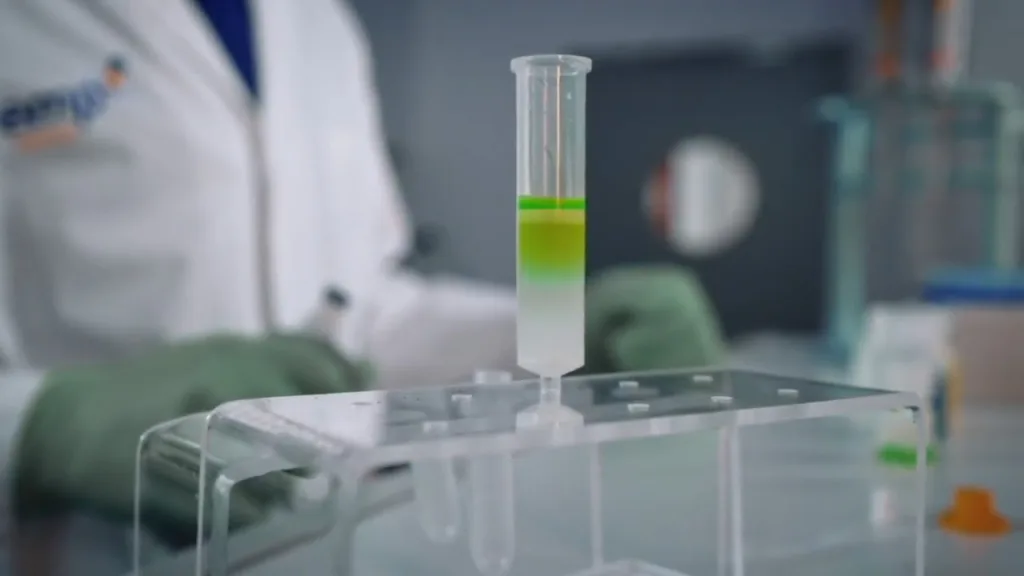
Desalting columns use size exclusion chromatography (SEC). They may also be called gel filtration columns, size-exclusion columns, or buffer exchange columns. The resin inside contains porous beads, typically made of cross-linked dextran (e.g. Zetadex, or Sephadex). Large molecules like proteins or nucleic acids cannot enter the bead pores and elute quickly, while small molecules such as salts, dyes, or cross-linkers enter the pores and are delayed.
Your target comes out in the void volume — the early fraction that flows around the pores — while the contaminants are left behind.
If you’ve ever needed to remove salts, dyes, cross-linkers, or other small molecules from a protein or DNA sample, you know how important it is to do it cleanly and without losing your analyte. That’s exactly what desalting columns are designed for. When handled well, they deliver quick, reliable purification. When handled poorly, they can leave you with diluted fractions, contamination, or sample loss.
Here’s how to get the most out of your desalting column — simple, practical tips that make a real difference at the bench.
Common Uses in the Lab
Researchers rely on desalting columns for:
- Buffer exchange before assays or storage.
- Removing salt ahead of mass spectrometry.
- Cleaning up after fluorescent labeling.
- Getting rid of unreacted cross-linker.
- Reducing detergent (as long as it’s below its critical micelle concentration (CMC), so molecules behave as monomers rather than large micelles).
Table of Contents
Optimizing Desalting Column: Factors to Consider
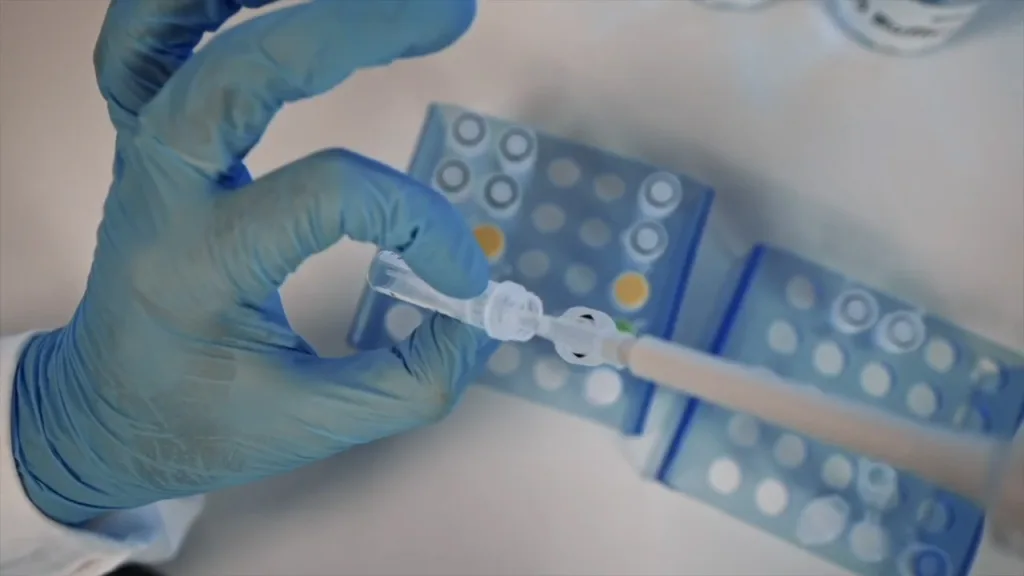
The following factors should be considered to optimize the performance of your desalting column:
- Sample Preparation: Prior to using the desalting column, ensure that your sample is prepared correctly. This includes selecting the appropriate buffer, pH, and sample concentration. Extremely viscous or over-concentrated samples spread out on the column and reduce resolution. A quick spin to remove debris is often worthwhile..
- Column Selection: Match the column size to the sample volume. You Do Bio offers desalting columns covering a wide range of sample volumes. Selecting the appropriate column ensures optimal workflow, purification, and recovery of your target molecule.
- Equilibrate thoroughly. Flush the column with the buffer you want your sample in. This removes preservatives and ensures the resin is conditioned.
- Sample Loading: Load your sample onto the desalting column according to the manufacturer’s instructions. Be mindful of the sample volume, as overloading the column can lead to inadequate separation and reduced recovery of the target molecule. For optimal results, ensure that the sample volume does not exceed the recommended loading capacity for your specific desalting column.
- Elution: Elute your sample from the desalting column following the manufacturer’s recommended elution protocol. Let gravity or the centrifuge do the work at the recommended speed and time. Proper elution techniques ensure the efficient recovery of your target molecule and minimize the presence of contaminants. Be sure to collect the eluted fractions in appropriate collection tubes or vessels to prevent cross-contamination.
- Monitoring and Evaluation: Monitor the elution process by measuring the absorbance of the collected fractions at an appropriate wavelength. This will help you track the elution profile of your target molecule and identify the fractions containing the purified molecule. Evaluate the performance of your desalting column by assessing the purity and recovery of the target molecule in the eluted fractions.
Optimizing Desalting Column: Tips and Best Practices
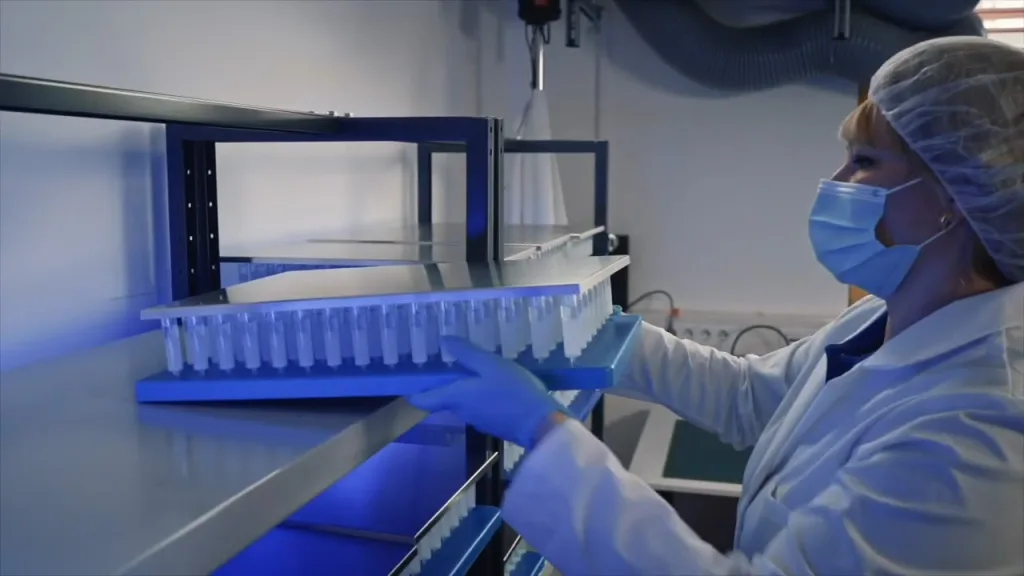
Did It Work?
A few quick checks confirm that your desalting step did its job:
- Conductivity should drop sharply if salts are gone.
- A280/A260 absorbance confirms protein (280 nm) or DNA (260 nm) recovery.
- Dye absorbance or fluorescence at its λmax shows whether unbound label has been removed.
Conclusion
By considering factors such as sample preparation, column selection, equilibration, sample loading, elution, and monitoring, you can optimize the use of your desalting column and achieve consistent, high-quality results. Incorporating tips and best practices such as proper storage, column cleaning, buffer optimization, and gradient elution can further enhance the performance and efficiency of your desalting column, ensuring the success of your biomolecule purification.