Reliable scientific research begins with biological sample collection. Before sequencing, PCR analysis, metabolomics profiling, microbiome analysis, or diagnostic laboratory testing can be performed, researchers must obtain biological specimens that accurately represent the biological system being studied.
In modern life sciences, the quality of laboratory results is directly linked to the quality of the sample collected. Even the most advanced sequencing platforms or analytical instruments in the lab cannot compensate for errors during specimen collection. If a biological sample is collected improperly, exposed to contamination, or transported under unsuitable conditions, the molecular and biochemical characteristics of the specimen may change before testing begins.
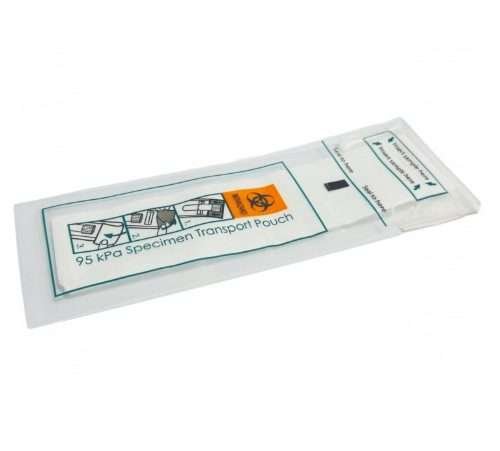
For this reason, laboratories rely on specialized sample collection devices, specimen containers, and transport systems designed to preserve biological material from the moment of collection to arrival at the laboratory.
Biological samples used in research laboratories include blood, saliva, urine, stool, sputum, tissue biopsies, and cerebrospinal fluid. Each specimen type requires a specific collection procedure to ensure that analytes such as DNA, RNA, proteins, metabolites, and microbial communities remain stable during the process of collection and transport.
At You Do Bio, we provide a portfolio of biological sample collection products designed to support modern laboratory research and diagnostic workflows. Our solutions enable scientists to collect, stabilize, and transport biological samples efficiently across a wide range of research applications.
The portfolio includes:
- buccal swabs for DNA specimen collection
- saliva DNA sample collection kits
- stool microbiome collection systems
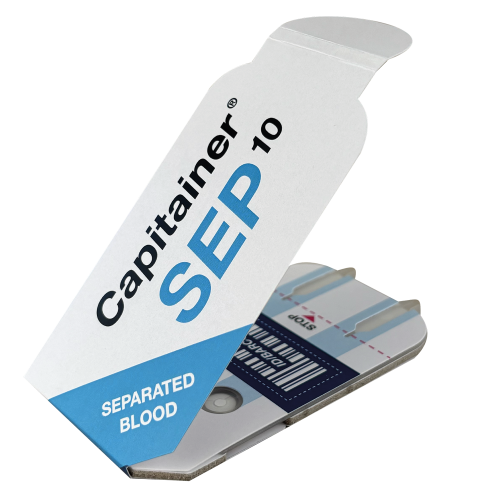
- dried blood spot sampling devices
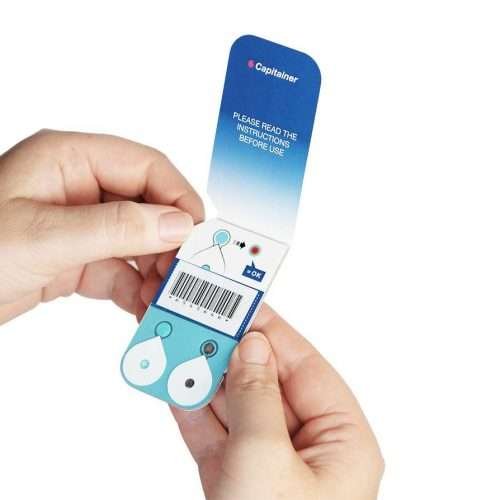
- volumetric urine sampling technologies such as Capitainer® DIP70
These tools are designed to ensure that biological samples remain stable during transport to the laboratory and compatible with downstream laboratory tests including sequencing, biomarker analysis, and metabolomics.
Understanding the principles of biological sample collection is essential for scientists seeking to generate reproducible results and reliable laboratory data.
What Is Biological Sample Collection
Biological sample collection refers to the process of obtaining biological material from a patient, subject, or environment and placing it into an appropriate container so that the specimen can be transported to the laboratory for testing.
This process is the starting point for many laboratory procedures used in biomedical research and diagnostics.
Once a specimen has been collected, the sample may undergo a variety of laboratory tests including:
- nucleic acid extraction
- polymerase chain reaction (PCR)
- next-generation sequencing
- biomarker detection
- metabolomics analysis
- microbiome sequencing
- toxicology testing
The goal of specimen collection is to ensure that the sample accurately reflects the biological state of the subject at the time of collection.
To achieve this goal, several factors must be considered during the collection procedure:
- the appropriate collection device
- the type of sample being collected
- the amount of sample required for testing
- the conditions required to transport the specimen to the laboratory
Proper collection protocols help ensure that biological specimens can be analyzed reliably in the lab.
Importance of Proper Sample Collection
Proper specimen collection is essential to produce accurate laboratory results.
If a biological sample is not collected properly, laboratory tests may produce misleading data. This is particularly important in fields such as genomics, microbiome research, and clinical diagnostics.
Several problems may occur when sample collection procedures are not followed correctly.
Contamination
Contamination may occur if environmental microorganisms or external particles enter the specimen during collection.
Sterile collection devices are used to minimize contamination and preserve sample integrity.
Degradation of Biological Molecules
Biological molecules such as RNA and proteins can degrade quickly if a sample is exposed to unsuitable environmental conditions.
Stabilization technologies are used to prevent degradation before the sample reaches the laboratory.
Changes in Microbial Communities
In microbiome research, microbial populations may change rapidly after the specimen is collected.
Specialized collection kits are designed to preserve microbial composition during transport.
Loss of Biomarkers
Metabolites and biomarkers may degrade during transport if samples are not stabilized properly.
Proper sample collection helps ensure that these molecules remain detectable during laboratory testing.
Types of Biological Samples Used in Laboratory Testing
Modern laboratories analyze many types of biological samples.
The types of samples collected depend on the research objective and the type of laboratory test being performed.
Common biological samples include:
- blood samples
- saliva samples
- urine samples
- stool samples
- sputum samples
- tissue biopsies
- semen samples
- cerebrospinal fluid
Each sample type contains different molecular information that can be studied in the laboratory.
For example:
Blood samples may be used to study circulating biomarkers or immune responses.
Urine samples provide information about metabolic activity.
Stool samples allow researchers to study the gut microbiome.
Saliva samples provide DNA for genetic analysis.
Selecting the appropriate specimen type is an important step in experimental design.
Sample Collection Methods in Scientific Research
In research studies, sample collection refers not only to obtaining biological material but also to selecting participants or specimens from a population.
Sampling methodology helps ensure that samples collected represent the population being studied.
Several sampling methods are used in scientific research:
- simple random sampling
- stratified sampling
- systematic sampling
- cluster sampling
These approaches help researchers minimize bias and produce reliable datasets.
Combining standardized specimen collection devices with appropriate sampling strategies helps ensure that the data produced in the laboratory reflects biological variation within the population.
Simple Random Sampling
Simple random sampling is a common method used in scientific research.
In this approach, every individual in the population has an equal chance of being selected.
Random sampling helps ensure that collected samples are representative of the population.
For example, researchers conducting a genomic study may randomly select participants who will provide saliva samples using a saliva DNA collection kit.
This approach helps minimize sampling bias and improve the reliability of research conclusions.
Stratified Sampling Techniques
Stratified sampling is used when researchers want to ensure representation from different groups within a population.
The population is divided into strata based on characteristics such as:
- age
- gender
- geographic location
- disease status
Samples are then collected from each group.
This method is often used in epidemiological studies where biological differences between populations must be considered.
Systematic Sampling Techniques
Systematic sampling involves selecting samples at regular intervals from a population.
For example, every tenth participant in a clinical registry may be selected to provide a biological specimen.
This approach simplifies participant selection and ensures a consistent sampling process.
Saliva Sample Collection
Saliva collection is widely used in genomic research and population genetics.
Saliva contains epithelial cells that provide genomic DNA as well as microorganisms from the oral microbiome.
Saliva samples are particularly useful because they can be collected without invasive procedures.
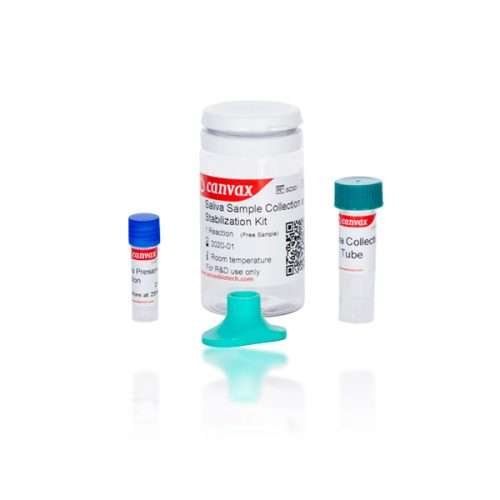
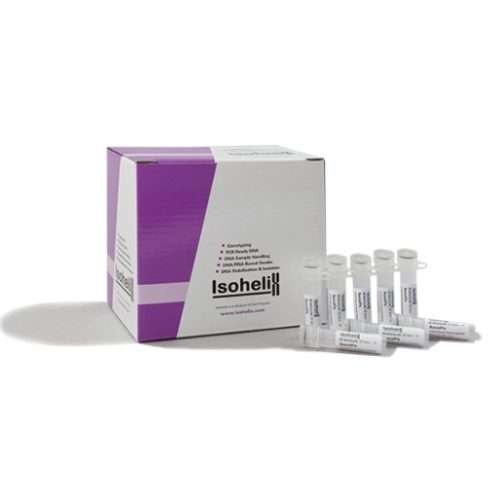
Participants may collect saliva samples at home and send them to the laboratory using sample collection kits.
Saliva DNA kits usually include:
- a collection tube
- a funnel
- a DNA stabilization buffer
These components ensure that the DNA remains stable during transport to the laboratory.
At You Do Bio, saliva DNA collection kits are designed to support large-scale genetic research programs and decentralized studies.
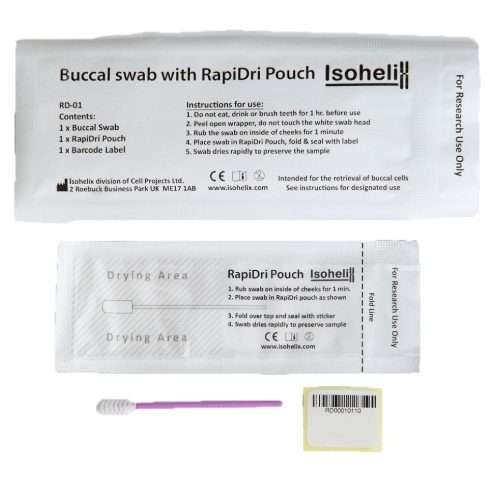
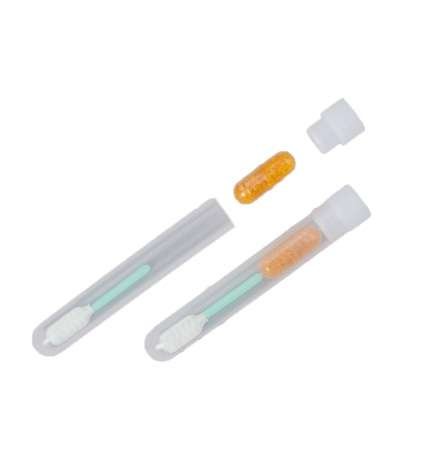
Buccal Swabs for DNA Collection
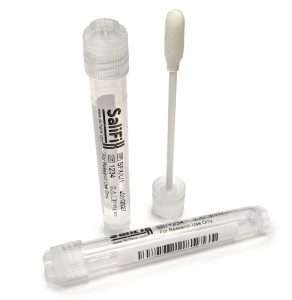
Buccal swabs are used to collect epithelial cells from the inside of the cheek.
This method is widely used for DNA specimen collection.
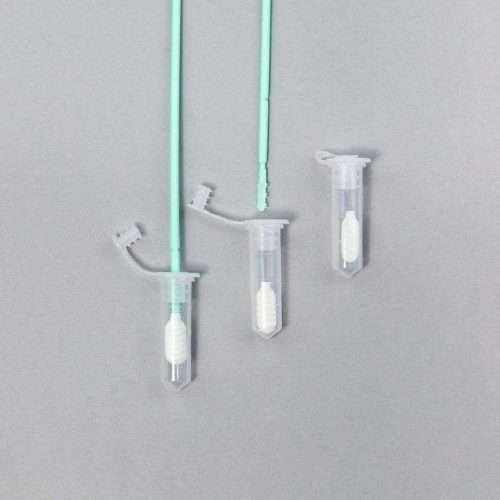
The procedure involves gently swabbing the inner cheek using a sterile swab. The collected cells are then placed into a collection tube and transported to the laboratory.
Buccal swabs are commonly used in:
- genetic testing
- forensic analysis
- ancestry studies
- biobanking
You Do Bio provides high-quality buccal swabs designed to ensure reliable DNA sample collection.
Stool Sample Collection for Microbiome Research
Stool samples provide insight into microbial communities within the gastrointestinal tract.
Microbiome research has shown that gut microorganisms influence digestion, immunity, and metabolic health.
However, microbial communities can change rapidly after stool samples are collected.
Specialized stool sample collection kits help preserve microbial DNA and metabolites until laboratory analysis begins.
You Do Bio offers stool sample collection systems designed to stabilize microbiome samples during transport to the laboratory.
Blood Sample Collection
Blood collection is one of the most common specimen collection procedures performed in clinical laboratories.
Blood samples contain numerous analytes including proteins, metabolites, hormones, immune cells, and circulating nucleic acids.
Blood samples may be collected using venipuncture or finger-prick methods.
Blood collection tubes often contain additives designed to prevent coagulation or stabilize analytes.
The amount of blood collected depends on the type of laboratory test being performed.
Dried Blood Spot Sampling
Dried blood spot sampling provides a convenient alternative to traditional blood collection methods.
In this method, a small amount of blood is applied to specialized filter paper.
The blood sample dries and becomes stable for transport.
Dried blood spot technologies are widely used in:
- newborn screening programs
- epidemiological studies
- decentralized clinical trials
You Do Bio provides dried blood spot collection devices designed to simplify blood sampling while ensuring sample stability during transport.
Urine Sample Collection
Urine sample collection is widely used in metabolomics research and toxicology testing.
Urine contains metabolic by-products that provide information about physiological processes.
Urine samples may be collected in sterile containers and transported to the laboratory for analysis.
However, urine samples may degrade if microbial growth occurs during transport.
For this reason, stabilization techniques or dried sampling technologies are often used.
Volumetric Urine Collection with Capitainer DIP70
The Capitainer® DIP70 volumetric urine collection device provides a reliable solution for accurate urine specimen collection.
The device automatically meters two defined urine volumes of 70 µL.
This ensures that consistent sample volumes are collected across participants.
After collection, the urine samples dry inside the device, creating a stable dried sample format.
Advantages include:
- precise volumetric sampling
- simplified sample transport
- improved analyte stability
- compatibility with laboratory workflows
These features make the Capitainer DIP70 particularly useful in large research studies and decentralized clinical trials.
Sample Collection Equipment and Tools
Modern biological research relies on specialized equipment designed to preserve biological specimens during collection and transport.
Common tools include:
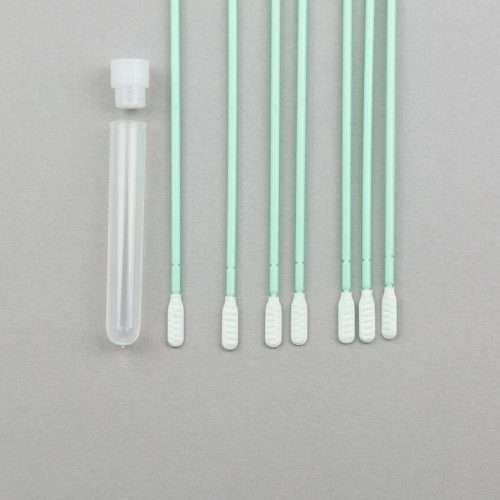
- sterile swabs
- saliva DNA collection kits
- stool microbiome sampling devices
- blood collection tubes
- dried blood spot cards
- volumetric urine sampling devices
These technologies help minimize contamination and maintain sample stability.
You Do Bio develops sample collection technologies optimized for genomic, microbiome, and metabolomics research.
Sample Collection Procedures
Standardized sample collection procedures help ensure consistency in laboratory research.
A typical collection workflow includes:
- preparing the patient or participant
- collecting the specimen using sterile tools
- placing the sample into an appropriate container
- labeling the specimen
- transporting the sample to the laboratory
- performing laboratory analysis
Standardization helps ensure that samples collected from different locations remain comparable.
Best Practices for Biological Sample Collection
To ensure reliable laboratory results, biological sample collection must follow standardized protocols. Best practices help minimize contamination, maintain sample stability, and ensure that specimens remain suitable for laboratory testing.
Researchers performing specimen collection should carefully follow validated procedures during the collection process.
Key best practices include:
Selecting the appropriate collection device
Different types of samples require specific collection tools. Using devices designed for saliva, stool, blood, or urine collection helps preserve sample integrity.
Collecting the correct sample volume
The amount of sample collected must be sufficient for the laboratory tests being performed. Insufficient sample volume may require recollection or prevent certain analyses.
Minimizing contamination during collection
Sterile tools and sealed containers help prevent contamination from environmental microorganisms.
Proper labeling and documentation
Each specimen must be labeled correctly to ensure traceability throughout the laboratory workflow.
Transporting the specimen to the laboratory quickly
Samples should be transported to the laboratory as soon as possible after collection. Stabilization technologies can help preserve samples during transport.
Using validated sample collection kits and specimen collection devices, such as those developed by You Do Bio, helps laboratories implement these best practices consistently across research studies.
Sample Transport and Storage
After a specimen has been collected, it must be transported to the laboratory for testing.
During transport, several environmental factors may affect sample stability.
These include:
- temperature
- humidity
- transport duration
Specialized sample collection devices incorporate stabilization technologies to preserve biological molecules during transport.
Remote and Decentralized Sample Collection
Remote sample collection has become increasingly important in modern clinical research.
Participants may collect samples at home using standardized collection kits.
These kits may include saliva DNA collection devices, stool sampling systems, dried blood spot cards, and urine collection tools.
Remote sample collection helps researchers conduct large population studies without requiring participants to visit clinical sites.
Biological Sample Collection Solutions from You Do Bio
At You Do Bio, we develop advanced sample collection technologies designed to support modern laboratory research.
Our portfolio includes:
- buccal swabs for DNA specimen collection
- saliva DNA kits for genomic studies
- stool microbiome sample collection systems
- dried blood spot sampling devices
- volumetric urine collection technologies such as Capitainer DIP70
These products are designed to ensure reliable specimen collection, maintain sample stability, and support accurate laboratory testing.
Reliable biological sample collection is the foundation of scientific discovery. By combining standardized collection procedures with advanced specimen collection technologies, researchers can generate high-quality data that advances research in genomics, microbiology, metabolomics, and biomedical science.


 Biological Sample Collection
 Biological Sample Collection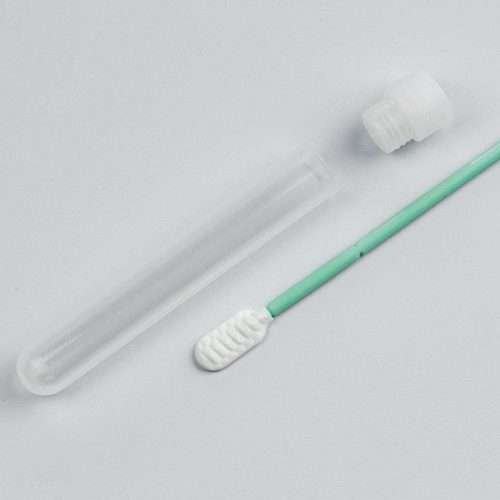
 Biological Sample Collection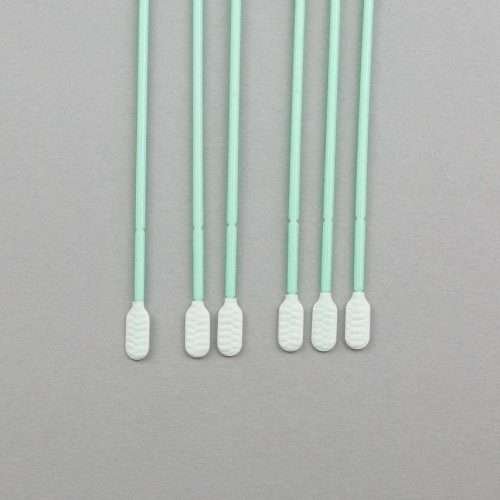

 Biological Sample Collection