Lab Labels and Dyes
For Laboratory Identification and Research
Lab labels dyes and fluorescent labeling reagents are essential tools in modern laboratory environments. These products support the identification, tracking, and analysis of biological samples in research workflows. At You Do Bio, our range of lab labels dyes includes fluorescent probes, nucleic acid stains, and molecular labeling solutions designed for reliable biomolecule detection in molecular biology, cell biology, and biochemical applications.
In addition to molecular labeling reagents, laboratory labels are widely used for physical sample identification across tubes, boxes, and storage containers. Reliable labeling solutions help laboratories maintain accurate sample tracking, prevent mix-ups, and ensure efficient experimental workflows.
Our products support diverse laboratory applications and provide researchers with dependable solutions for sample identification, fluorescence detection, and experimental organization.
Why Lab Labels and Dyes Are Important in the Laboratory
Accurate labeling is fundamental for maintaining organized and traceable laboratory workflows. Laboratory labels allow researchers to identify samples quickly while ensuring that biological materials remain correctly tracked throughout experiments.
Lab labels dyes and fluorescent probes expand this concept further by allowing scientists to label and visualize biomolecules such as proteins, DNA, RNA, and cells. When a fluorescent dye binds to a target molecule, it produces an emission signal that can be detected using laboratory equipment such as microscopes, imaging systems, and flow cytometers.
Together, fluorescent labeling reagents and laboratory labels help ensure that experiments remain organized, reproducible, and scientifically reliable.
Types of Lab Labels and Dyes
Different laboratory workflows require different labeling approaches. Lab labels dyes and laboratory labels are designed for a range of identification and detection applications.
Fluorescent labeling dyes
Fluorescent dyes are used to label proteins, nucleic acids, and cells in biological research. These reagents emit signals in different spectral colors such as blue, green, yellow, orange, and red, allowing researchers to track biological molecules in imaging systems.
Nucleic acid stains
Nucleic acid stains are used to visualize DNA and RNA in gel electrophoresis, fluorescence microscopy, and molecular detection systems.
Sample identification labels
Laboratory labels used for physical identification help researchers label tubes, boxes, plates, and containers. These labels are commonly used in sample storage, liquid handling workflows, and laboratory inventory systems.
Applications of Lab Labels and Dyes
Fluorescent labeling reagents and laboratory labels are used in many laboratory applications where accurate detection or identification is required.
Common applications include:
- Western blot analysis
- fluorescence microscopy imaging
- flow cytometry experiments
- nucleic acid gel visualization
- sample tracking and identification in laboratory storage systems
These solutions allow researchers to identify biological materials clearly while supporting reproducible research workflows.
Color Coding and Spectral Identification
Color coding is widely used in laboratory environments to simplify sample identification and experimental design. Different colors help researchers quickly distinguish between reagents, samples, or experimental conditions.
Fluorescent dyes are available in multiple spectral ranges, including:
- blue
- green
- yellow
- orange
- red
Using color coding strategies allows researchers to identify multiple biological targets simultaneously. This approach supports multiplex experiments, advanced imaging workflows, and complex biological studies.
Laboratory Label Materials and Durability
Laboratory labels must withstand demanding experimental environments. Many labels are manufactured using heat resistant materials designed to remain stable under laboratory conditions.
These labels may encounter:
- water and liquid reagents
- cryogenic environments such as nitrogen storage
- temperature fluctuations
- chemical exposure
Durable materials ensure that labels remain readable and securely attached to tubes, containers, and storage boxes throughout experimental workflows.
Thermal Transfer and Laboratory Printing Systems
Many laboratory labels are compatible with thermal transfer printing systems used for sample identification. Thermal transfer printers allow laboratories to generate durable labels that remain readable even in challenging research environments.
Labels can be printed using compatible printers and laboratory software systems. Different sizes are available depending on the application.
Label dimensions are often defined in millimeters (mm) and may vary according to tube diameter or container format. Some printers may require an adapter or specialized media to ensure compatibility.
Key Features of Lab Labels and Dyes
High-quality lab labels dyes and laboratory labels are designed to support reliable identification and fluorescence detection workflows.
Important features include:
- strong fluorescence emission across blue, green, yellow, orange, and red spectral ranges
- compatibility with fluorescence microscopes, imaging systems, and flow cytometry platforms
- heat resistant materials suitable for laboratory environments
- compatibility with thermal transfer printers and laboratory software
- durable labeling media designed for tubes, boxes, and laboratory containers
- stable performance in the presence of water, buffers, and laboratory liquids
These features help ensure reliable labeling performance and accurate sample identification.
Choosing the Right Lab Labels and Dyes
Selecting the best lab labels dyes or laboratory labels depends on several experimental factors. Researchers should consider the application, equipment compatibility, and labeling requirements before choosing a solution.
Important factors include:
- the type of sample being identified
- compatibility with laboratory equipment and imaging systems
- required color coding or fluorescence emission range
- compatibility with thermal transfer printers and labeling software
- label size requirements based on tube diameter or container format
Considering these parameters helps ensure reliable sample identification and efficient research workflows.
Compatible Equipment and Systems
Lab labels dyes and laboratory labels are designed to integrate with a wide range of laboratory equipment and analytical systems.
These include:
- fluorescence microscopes
- imaging and scanning systems
- flow cytometers
- gel documentation systems
- thermal transfer printers
Compatibility with laboratory equipment ensures that labeling reagents and identification labels perform reliably across research environments.
Reliable Solutions from Diversified Biotech
Many laboratory labeling products are developed by specialized manufacturers such as Diversified Biotech. These companies produce labeling materials designed specifically for scientific environments.
Products from trusted suppliers help ensure reliable labeling performance, compatibility with laboratory equipment, and long-term stability during storage and use.
At You Do Bio, we provide access to these high-quality labeling solutions so researchers can confidently identify and analyze biological samples.
Explore Lab Labels and Dyes from You Do Bio
You Do Bio offers a range of lab labels dyes and laboratory identification products designed for research laboratories. Our catalogue includes fluorescent labeling reagents, nucleic acid stains, and durable laboratory labels suitable for many applications.
Researchers can review detailed product information on each product page, including application details, spectral properties, and recommended usage conditions. Pricing is listed in DKK, and products can be added directly to cart for convenient ordering.
If you need assistance selecting the best labeling solution for your laboratory workflow, our support team is available to provide guidance.
FAQ
What are lab labels used for in laboratories?
Laboratory labels are used to identify samples, reagents, and materials in research workflows. They help ensure accurate tracking of biological samples stored in tubes, boxes, and laboratory containers.
What are lab labels dyes used for?
Lab labels dyes are fluorescent reagents used to label biomolecules such as proteins, DNA, RNA, and cells. These dyes produce emission signals that allow researchers to visualize biological targets.
Are laboratory labels resistant to laboratory conditions?
Yes. Many laboratory labels are heat resistant and designed to remain stable in challenging conditions including water exposure, chemical reagents, and cold storage environments.
How are laboratory labels printed?
Laboratory labels are commonly printed using thermal transfer printers and compatible laboratory software systems. Labels are available in different sizes and formats depending on the equipment used.



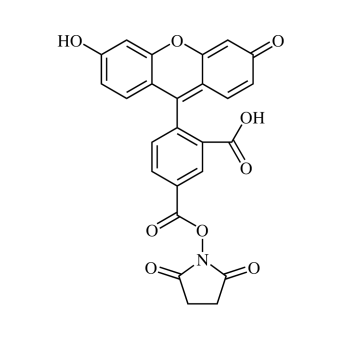 Fluorescent Labels
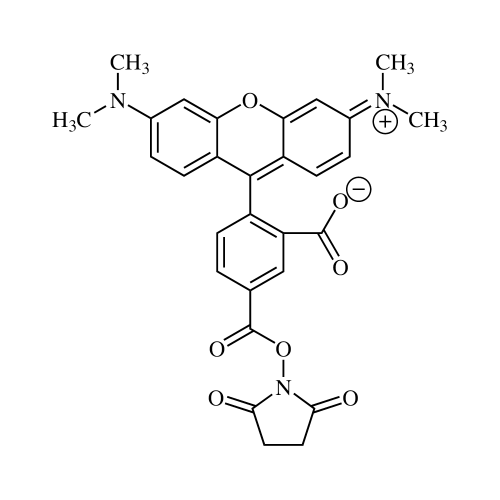 Fluorescent Labels
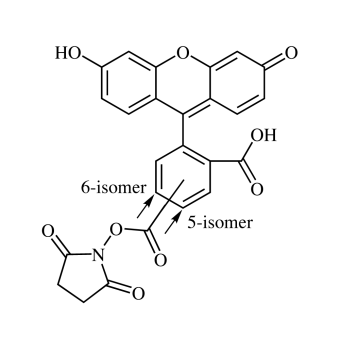 Fluorescent Labels
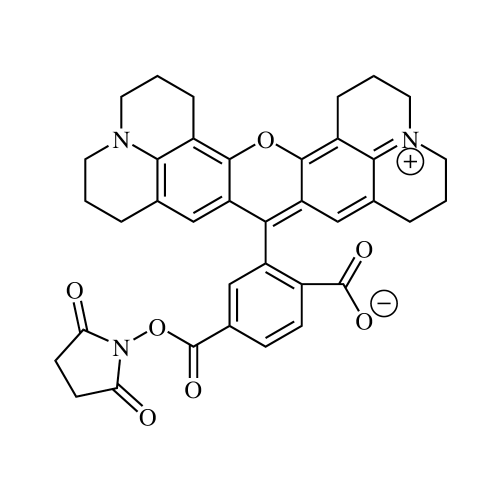 Fluorescent Labels
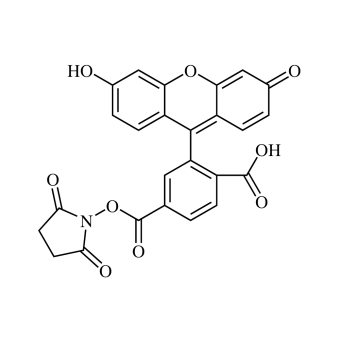 Fluorescent Labels
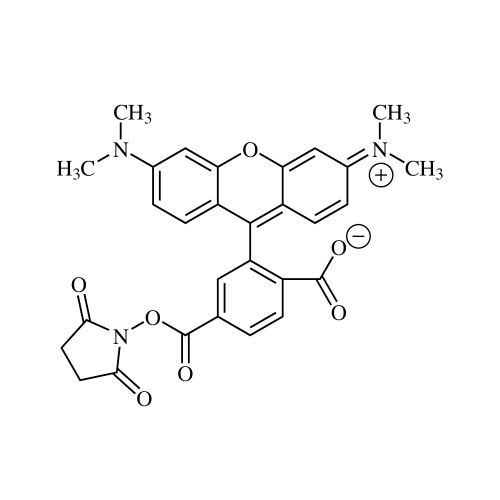 Fluorescent Labels
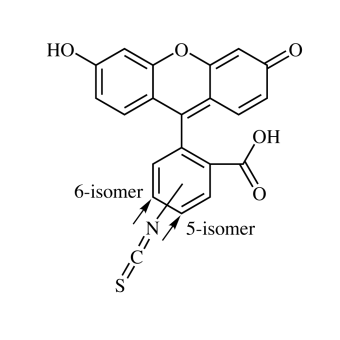 Fluorescent Labels
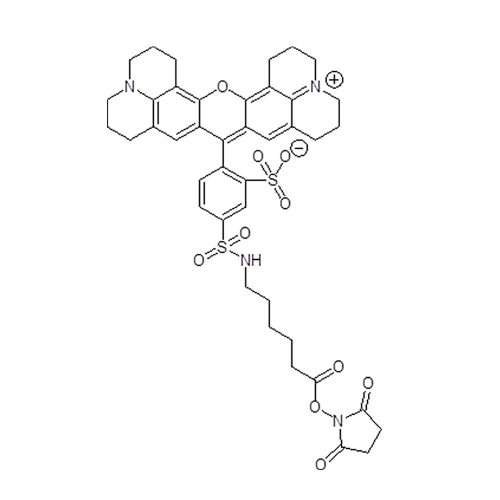 Fluorescent Labels
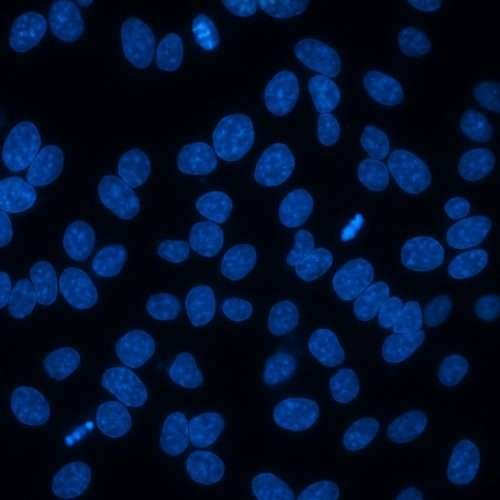
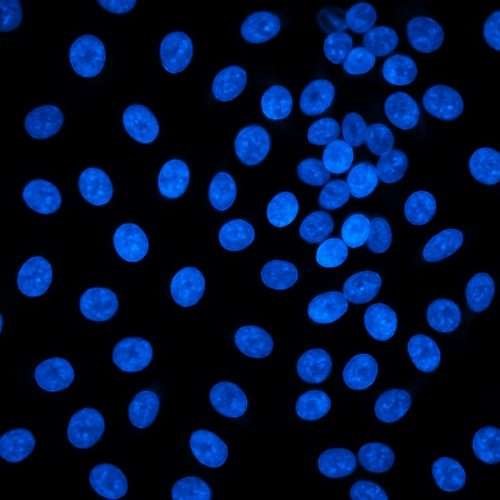 Hoechst 33342 Nuclear Stain