
Showing all 7 resultsSorted by latest
Magnetic Separation Rack
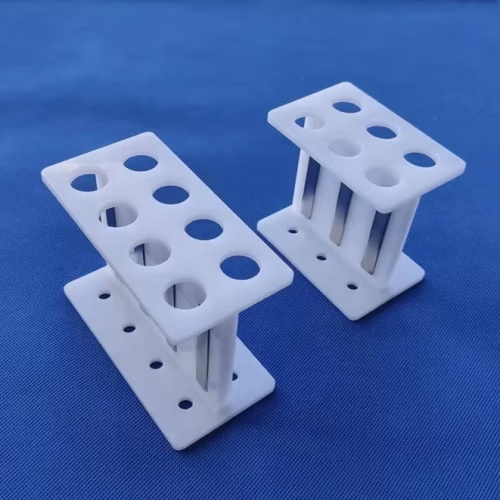
A magnetic separation rack is an essential laboratory device used to perform rapid and reliable magnetic separation in workflows involving magnetic beads, nucleic acid isolation, and protein purification. These magnetic separation racks are designed to meet the needs of modern laboratories by enabling fast bead separation, minimal manual handling, and consistent results across a wide range of sample volumes.
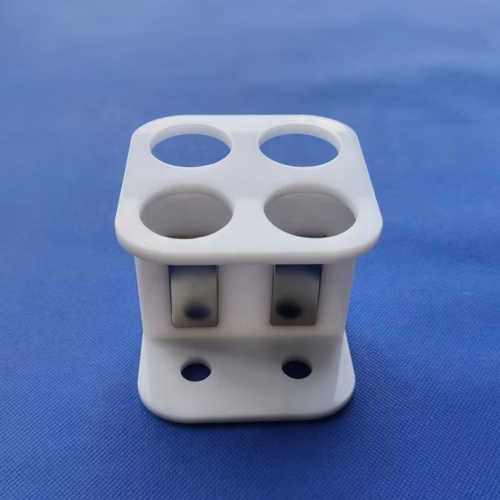
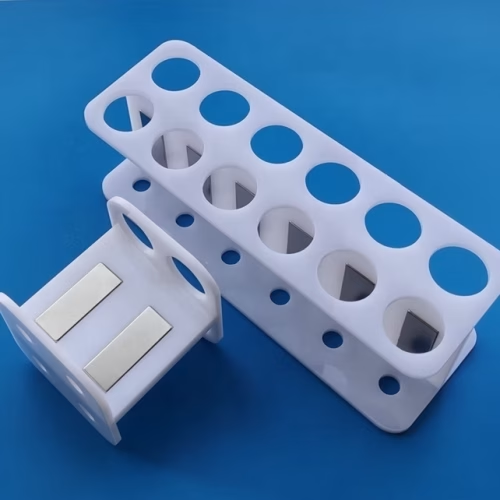
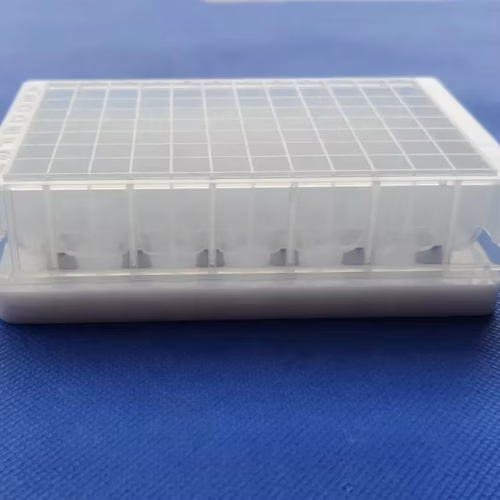
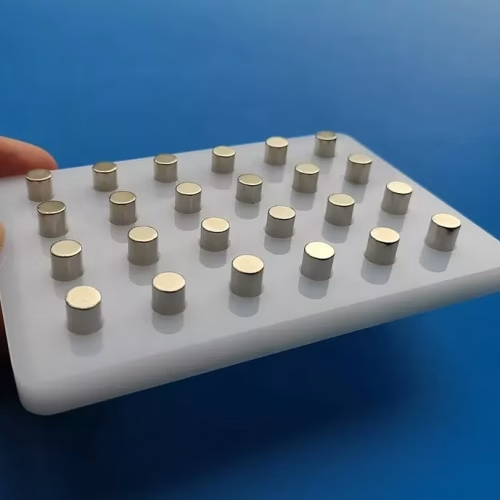
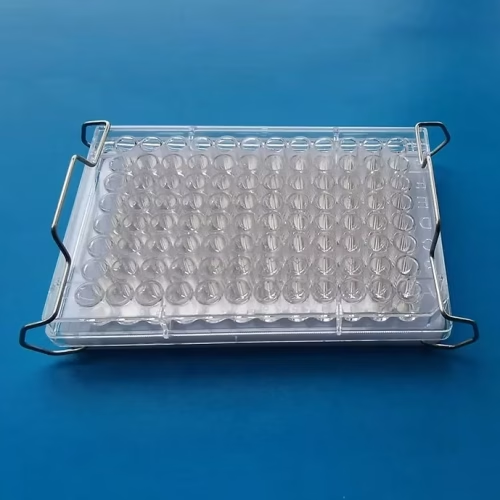
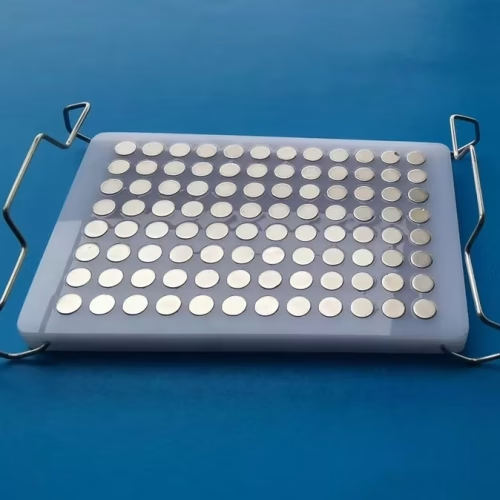
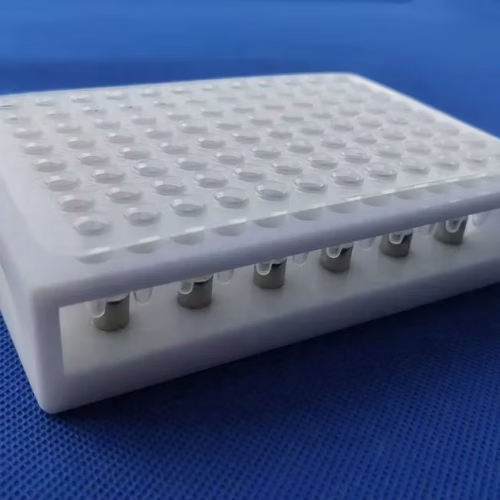
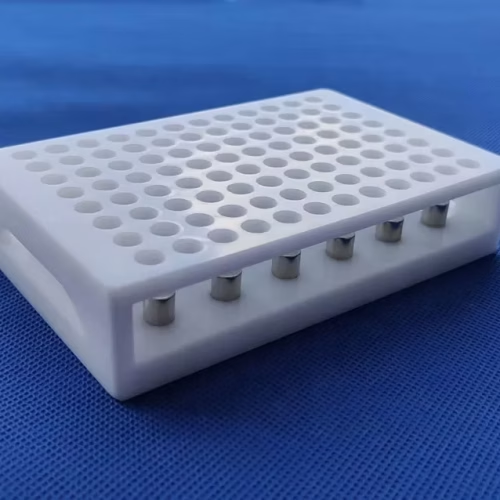
At You Do Bio, our catalog includes magnetic separation racks containing a neodymium magnet or rare earth magnetic components, ensuring strong magnetic force and efficient bead-based separation. These products are available in multiple formats, supporting small scale experiments with PCR tubes as well as larger workflows using 15 ml and 50 ml tubes or plates.
What Is a Magnetic Separation Rack?
A magnetic separation rack is a device designed to hold tubes, plates, or other sample containers while magnetic beads are separated using a magnetic field. The magnetic separation rack is used in workflows where magnetic bead based purification is required, including nucleic acid extraction, protein isolation, and bead based assays.
When samples are placed in the rack, the magnetic field generated by a magnet or a neodymium magnet pulls the magnetic beads toward the side or bottom of the tube depending on the rack design and magnet positioning. This allows the user to remove supernatant without disturbing the bead pellet, ensuring clean separation and improved workflow control.
Because the separation rack is designed for specific tube formats, it is important to select the correct magnetic separation rack based on sample volumes, tube type, and workflow requirements.
How Magnetic Separation Works
Magnetic separation relies on the interaction between magnetic beads and a magnetic field. Magnetic beads bind target molecules depending on their surface chemistry, such as silica-based binding for nucleic acids or affinity ligands for protein purification.
This binding occurs under specific buffer conditions, including optimized salt concentration and pH, which promote interaction between the beads and the target molecules.
Step-by-Step Magnetic Separation Process
- Binding step
Magnetic beads bind to target molecules under optimized buffer conditions. - Loading into the rack
The sample is placed into the magnetic separation rack. - Magnetic attraction
The magnetic field, often generated by a neodymium magnet containing rare earth elements, pulls the beads to the side or bottom of the tube. - Separation and removal
The supernatant can be removed while the magnetic bead pellet remains stable. - Washing and elution
The rack supports washing steps and final elution of purified nucleic acid or protein samples.
This process enables rapid and reproducible magnetic separation across different workflows.
Key Features of Magnetic Separation Racks
Magnetic separation racks from You Do Bio are engineered to meet laboratory requirements for performance, reliability, and ease of use.
Strong Magnetic Force
Each magnetic rack containing a neodymium magnet provides high magnetic strength, ensuring fast bead separation even in larger sample volumes.
Compatibility with Multiple Tube Formats
These racks support:
- PCR tubes
- microtubes
- ml tubes
- 15 ml tubes
- 50 ml tubes
- plates
This flexibility allows laboratories to process samples across different workflows.
Durable Materials
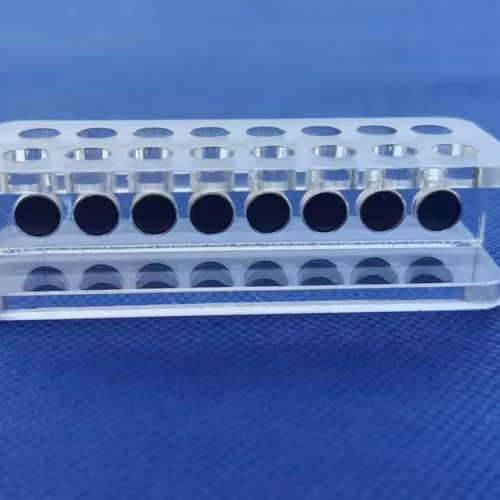
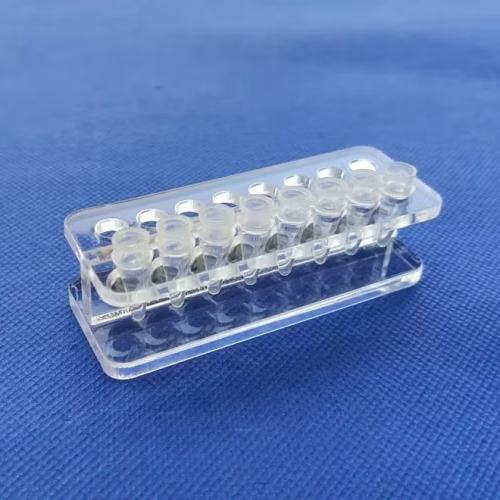
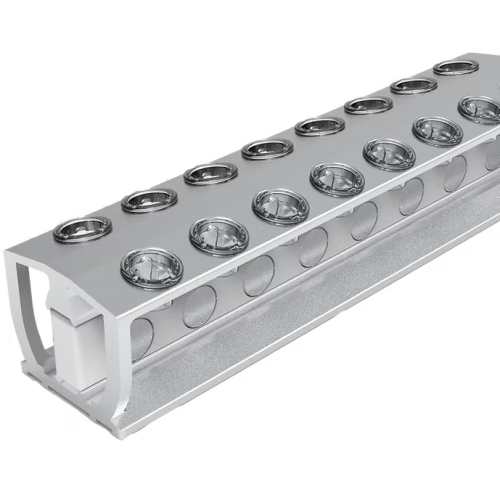
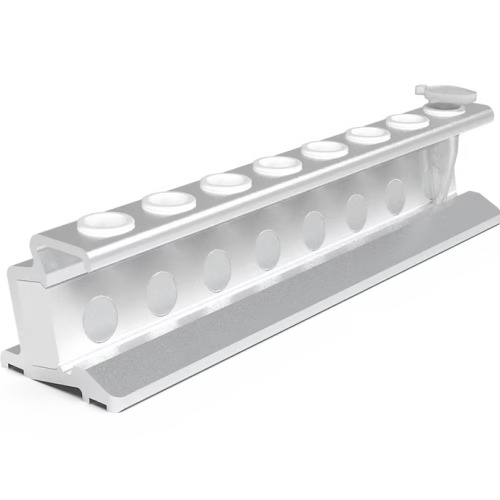
Magnetic separation racks are constructed using plastic or aluminium, providing durability and chemical resistance. Designs may include blue or white components for clear visualization and organization.
Efficient Workflow Design
The rack is designed to:
- maintain tube alignment
- allow clear access for pipetting
- support rapid loading and removal steps
- reduce manual handling
Sample Volumes and Tube Compatibility
Magnetic separation racks are optimized for different sample volumes and formats.
- Small scale workflows use PCR tubes and microtubes
- Medium workflows use 1.5 ml and 2 ml tubes
- Larger workflows use 15 ml and 50 ml tubes
- High-throughput workflows use plates
Selecting the correct separation rack ensures optimal bead separation and consistent performance across varying volume requirements.
Applications of Magnetic Separation Racks
Magnetic separation racks are used in a wide range of laboratory workflows and applications.
Nucleic Acid Isolation
Magnetic bead based workflows are widely used for DNA and RNA extraction and purification.
Protein Purification
Magnetic beads with affinity ligands can bind protein targets, allowing efficient isolation and washing steps.
PCR and Kit-Based Workflows
Magnetic racks support workflows involving PCR cleanup, enzymatic reactions, and kit-based purification systems.
Diagnostics and Research Fields
Magnetic separation racks are used in:
- molecular biology
- biotechnology
- diagnostics
- applied research fields
Advantages of Magnetic Separation Over Centrifugation
Magnetic separation offers several advantages compared to traditional centrifugation methods.
Rapid Processing
Magnetic separation is rapid and reduces or eliminates the need for centrifugation steps in many workflows.
Reduced Sample Loss
Because beads remain immobilized, the risk of sample loss is minimized.
Improved Workflow Control
The rack provides clear control over bead positioning and liquid removal.
Suitable for Automation
Magnetic separation racks are compatible with automated workflows and high-throughput systems.
Improved Reproducibility
Consistent bead positioning and reduced manual handling help improve reproducibility across experiments.
Choosing the Right Magnetic Separation Rack
Selecting the correct magnetic separation rack depends on several factors.
Tube Type and Volume
Choose a rack compatible with your tube format and sample volumes up to the required capacity.
Magnet Strength
Racks containing a neodymium magnet or rare earth magnet provide stronger and faster separation.
Workflow Type
Consider whether your workflow involves:
- nucleic acid isolation
- protein purification
- bead based assays
- high-throughput processing
Material and Design
Plastic and aluminium racks offer different advantages depending on laboratory conditions.
Magnetic Separation Rack Construction and Design
Each magnetic separation rack is designed to ensure stability, performance, and usability.
- magnets are positioned for optimal bead separation
- tubes are securely held in place
- the bottom design enhances magnetic contact
- spacing ensures consistent separation across samples
The use of rare earth magnetic materials ensures consistent performance across different workflows.
Product Range and Ordering
The You Do Bio catalog includes a wide range of magnetic separation racks designed for different laboratory needs.
Products vary by:
- tube compatibility
- sample volume
- magnet type
- design generation
- material (plastic or aluminium)
Each product page includes detailed information, price in EUR, and a clear add to cart button for convenient ordering.
If you need assistance selecting the right magnetic separation rack, you can contact our team for support and recommendations tailored to your workflow.
Why Choose Magnetic Separation Racks from You Do Bio
At You Do Bio, our magnetic separation racks are designed to meet the highest standards in laboratory performance.
Our products offer:
- strong magnetic force using neodymium magnet technology
- compatibility with multiple tube and plate formats
- reliable bead separation across workflows
- durable construction and clear design
- support for nucleic acid and protein workflows
These features make our magnetic separation racks a reliable solution for laboratories working with magnetic bead based systems.
FAQ
What is a magnetic separation rack used for?
A magnetic separation rack is used to separate magnetic beads from a sample during purification workflows.
How does a magnetic separation rack work?
The rack uses a magnetic field to pull magnetic beads to one side or the bottom of a tube, allowing removal of liquid without disturbing the pellet.
What tubes are compatible with magnetic racks?
Magnetic separation racks support PCR tubes, ml tubes, 15 ml and 50 ml tubes, and plates.
How do I choose the right magnetic rack?
Selection depends on sample volumes, tube type, workflow requirements, and magnet strength.