Portable Lab Equipment
Portable lab equipment enables professional teams to perform testing, detection, and sampling anywhere, without relying on fixed laboratory infrastructure. These compact instruments are designed to ensure reliable performance in the field, supporting workflows that require flexibility, speed, and accurate measurement in real-world conditions.
At You Do Bio, our portable lab equipment category includes advanced instruments and solutions built for research, health projects, environmental monitoring, and on site testing. Whether operating in remote environments or expanding lab capabilities beyond traditional facilities, these systems provide a practical and efficient solution.
What Is Portable Lab Equipment and How It Works
Portable lab equipment refers to compact, mobile instruments that allow laboratories and field teams to perform analytical testing outside a traditional lab setting. A portable system is designed to function with limited power, infrastructure, and space, while still delivering reliable results.
These instruments integrate sensors, software, and optimized instrumentation to measure a wide range of parameters, including chemical, biological, and physical signals. In a typical case, a portable device enables users to collect samples, run a test, and generate data directly on site, reducing the need for sample transport and centralized analysis.
Because portability is combined with precision, modern systems balance resolution, sensitivity, and rapid detection, making them a valuable addition to any laboratory workflow.
Types of Portable Instruments for Laboratory and Field Use
A wide range of portable instruments is available to support different applications. These include:
Environmental and Water Testing Equipment
Portable systems designed to measure water quality, oxygen levels, pH, and conductivity are widely used in environmental monitoring. These tools allow teams to perform sampling and testing in the field, ensuring accurate data collection in real time.
Molecular and Diagnostic Tools
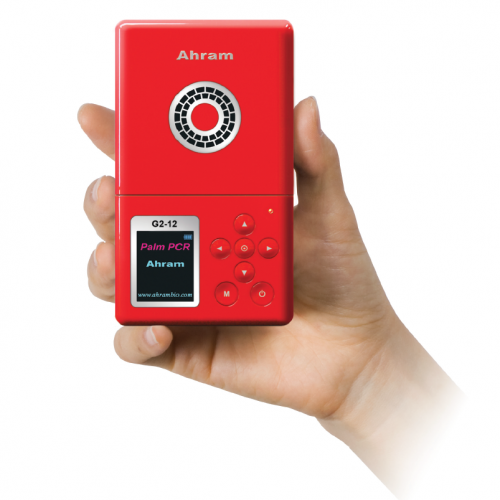
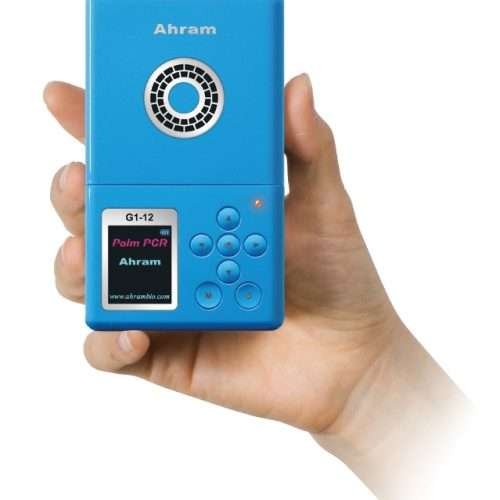
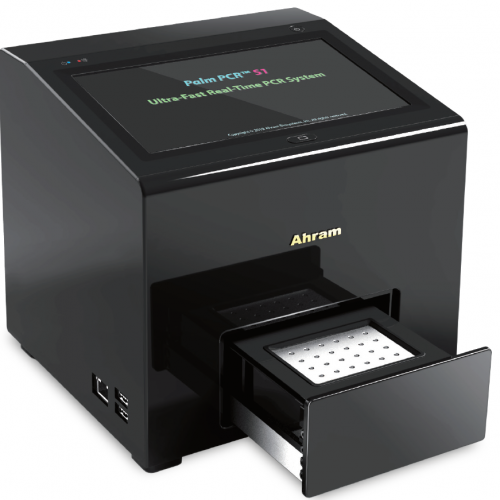
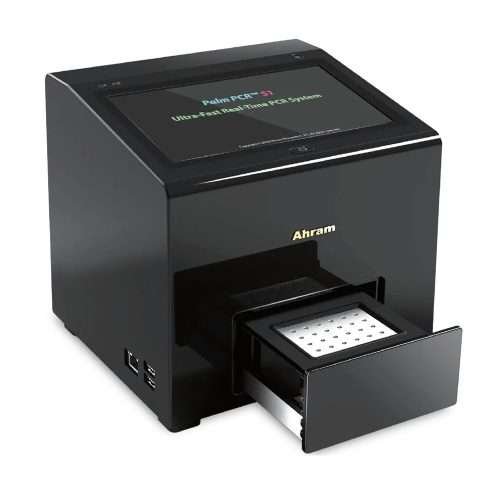
Portable molecular platforms enable detection of biological targets, supporting workflows in health research and field diagnostics. These systems are ideal for situations where rapid results are required without full laboratory infrastructure.
Spectrometry and Analytical Devices
Compact spectrometers and analytical instruments allow users to measure material composition and chemical properties. These devices combine high performance with portability, enabling on site analysis in research and industrial settings.
Multi-Parameter Sensors and Monitoring Systems
Portable sensor-based platforms integrate multiple measurement capabilities into one system. With built-in software and control features, they support continuous monitoring and data collection across diverse environments.
Applications of Portable Lab Equipment
Portable lab equipment supports a wide range of applications across research and industry, including:
- Environmental monitoring (water, soil, air testing)
- Health and field diagnostics projects
- Food and material testing
- Industrial and process control
- Academic and institute-based research
In each application, the ability to perform testing anywhere allows teams to respond quickly, collect high-quality data, and maintain workflow efficiency.
Advantages of Portable Systems in Modern Labs
Integrating portable lab equipment into existing labs provides several key benefits:
- On site testing: Perform analysis directly in the field without transporting samples
- Rapid results: Reduce turnaround time for detection and measurement
- Flexibility: Adapt workflows to different environments and conditions
- Reduced infrastructure needs: Operate with minimal power and space requirements
- Improved workflow control: Maintain consistency using integrated software and instrumentation
These advantages make portable systems ideal for teams working in dynamic environments where traditional lab setups are not feasible.
How Portable Equipment Enhances Workflow Efficiency
A portable system is not just a convenience, it is a strategic addition to laboratory workflows. By enabling sampling, testing, and data collection in a single platform, these instruments improve efficiency and reduce operational complexity.
Teams can deploy equipment quickly, perform measurements, and generate results within a short time frame. Whether used for a single field visit or long-term projects, portable tools ensure that workflows remain consistent, controlled, and reliable.
Choosing the Right Portable Lab Equipment
Selecting the right equipment depends on several factors:
- Application requirements (water, health, environmental, or analytical testing)
- Measurement range and resolution
- Power availability and portability needs
- Integration with software and existing lab systems
- Required features such as sensors, adapters, or multi-parameter capabilities
By evaluating these aspects, laboratories and field teams can choose a solution that aligns with their workflow and delivers optimal performance.
Expand Your Laboratory Capabilities with Portable Solutions
At You Do Bio, we provide portable lab equipment designed for professional use, combining compact design, reliable instrumentation, and advanced detection capabilities.
Whether your team operates in a controlled lab or in the field, our solutions allow you to measure, test, and analyze samples anywhere, without compromising accuracy or workflow efficiency.
Explore our range of portable instruments and find the right solution to support your research, monitoring, and testing needs.
FAQ
What is portable lab equipment used for?
Portable lab equipment is used for testing, sampling, and detection in environments where traditional laboratory infrastructure is not available. It supports research, environmental monitoring, and health applications.
Can portable equipment replace a laboratory?
Portable systems complement laboratories by enabling on site analysis. While they may not replace all lab functions, they significantly expand operational flexibility.
What can portable instruments measure?
They can measure a wide range of parameters, including water quality, oxygen levels, chemical composition, and biological signals, depending on the instrument.
Why is portable lab equipment important?
It allows teams to perform rapid, reliable testing anywhere, improving workflow efficiency and reducing dependence on centralized labs.
 Portable Lab Equipment