Silica spin columns
Silica spin columns are widely used in molecular biology for the purification of nucleic acids, including DNA and RNA, from a variety of biological samples. These columns are designed to capture nucleic acid molecules using a silica membrane that binds DNA and RNA under specific buffer conditions. Once binding occurs, contaminants are washed away, leaving purified nucleic acids ready for downstream applications.
At You Do Bio, silica spin columns are designed to support reliable purification of DNA and RNA from many sample types such as cultured cells, tissue, yeast, and fresh and dried blood. These columns provide laboratories with a convenient method to purify genomic DNA, plasmid DNA, and RNA while maintaining high performance and reproducibility.
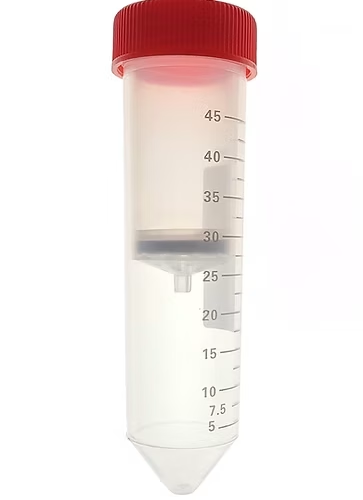
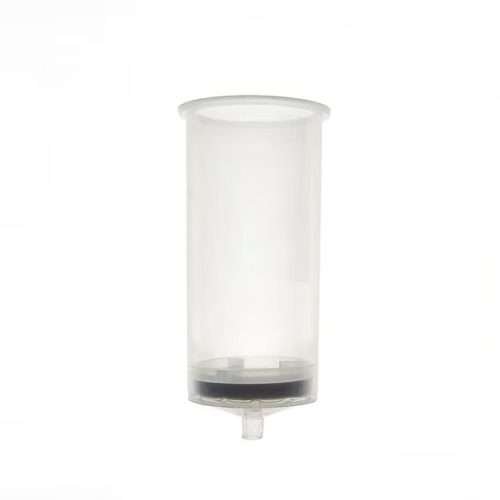
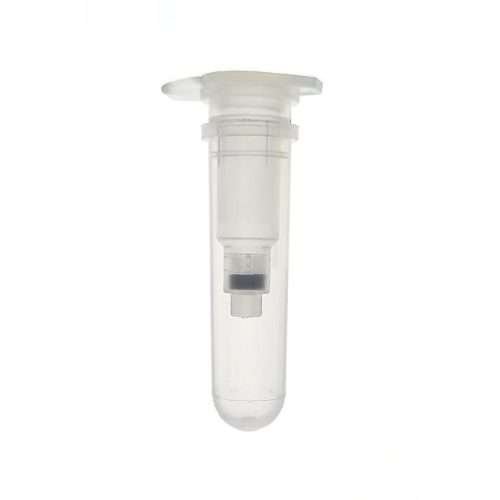
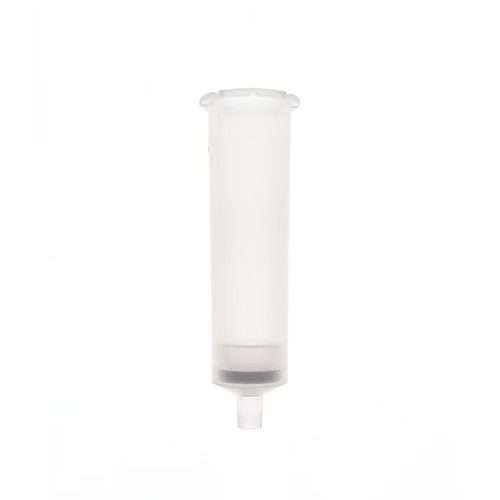
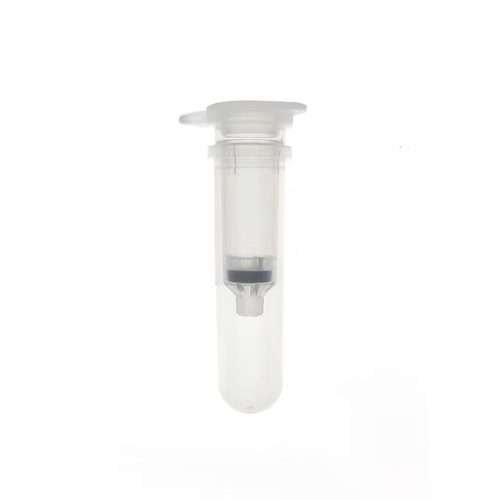
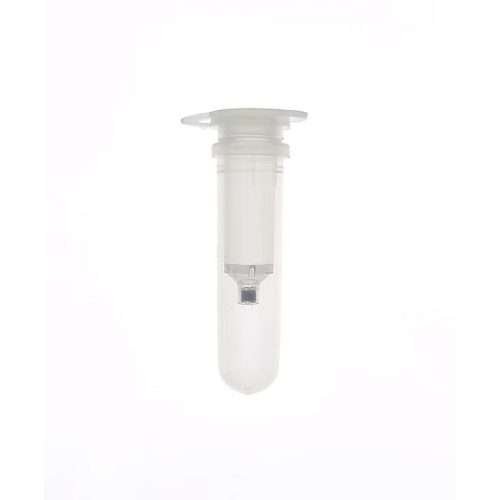
Each spin column contains a silica membrane housed inside a plastic column and paired with a collection tube. During centrifugation, samples move through the column matrix, allowing nucleic acids to bind to the silica surface while impurities pass through the membrane. This approach provides rapid purification and makes silica spin columns suitable for many laboratory workflows.
What Are Silica Spin Columns?
Silica spin columns are purification devices used to isolate nucleic acids such as DNA and RNA from biological samples. The spin column format combines a silica membrane with a centrifugation-based workflow to capture nucleic acids while removing contaminants such as proteins, salts, and cellular debris.
A typical spin column consists of a plastic column containing the silica membrane and a collection tube placed below it. When samples are added and centrifuged, the solution passes through the membrane where nucleic acids bind under specific chemical conditions.
Spin columns are widely used in molecular science and research because they provide a rapid and reliable method to purify nucleic acids. They can be used in workflows involving DNA extraction, RNA purification, plasmid DNA isolation, and PCR cleanup.
How Silica Spin Columns Work
Silica spin columns rely on the ability of nucleic acids to bind to silica under certain chemical conditions. When samples are treated with lysis buffers containing chaotropic salts, proteins and cellular structures are disrupted while nucleic acids remain intact.
Under these conditions, DNA and RNA interact with the silica membrane through dehydration and hydrogen bonding. As a result, nucleic acids bind to the surface of the silica membrane while other molecules move through the column.
The purification process generally involves four main steps:
- Sample lysis – Cells from tissue, blood, cultured cells, or yeast are lysed to release nucleic acids.
- Binding – DNA and RNA bind to the silica membrane inside the spin column.
- Washing – Contaminants are removed using wash buffers.
- Elution – Purified nucleic acids are released from the membrane using water or a low-salt buffer.
This workflow allows rapid purification of nucleic acid samples with minimal handling.
Binding of DNA and RNA to the Silica Membrane
The silica membrane plays a critical role in nucleic acid purification. Under high-salt conditions, nucleic acids bind to the silica surface while contaminants remain in solution.
The silica membrane allows selective capture of nucleic acids due to interactions between the negatively charged phosphate backbone of DNA and RNA and the silica matrix. Once binding occurs, centrifugation moves unwanted molecules through the column.
This binding mechanism allows spin columns to purify nucleic acids efficiently even from complex biological samples.
Washing and Elution
After nucleic acids bind to the silica membrane, washing steps remove contaminants such as proteins, salts, and residual reagents. These wash buffers maintain binding conditions so nucleic acids remain attached to the membrane while impurities leave the column.
Finally, nucleic acids are released from the membrane using water or a low-salt buffer. This elution step allows purified DNA or RNA to enter a clean collection tube where it can be used for downstream applications.
Applications of Silica Spin Columns
Silica spin columns support a wide range of molecular biology applications. Their rapid workflow and high purification performance make them suitable for many research environments.
Common applications include:
DNA extraction
Spin columns are widely used for genomic DNA extraction from cells, tissue, cultured cells, yeast, and blood samples.
RNA purification
RNA purification workflows rely on silica columns to isolate total RNA or specific RNA species while protecting samples from degradation.
Plasmid DNA purification
Plasmid DNA can be purified from bacterial cultures using spin columns following alkaline lysis protocols.
PCR cleanup
Spin columns remove primers, nucleotides, enzymes, and salts from PCR products before downstream analysis.
Gel extraction
Nucleic acids recovered from agarose gel fragments can be purified using silica spin columns.
Because of their flexibility, spin columns can be used in many laboratory protocols requiring rapid purification of nucleic acids.
Sample Compatibility
Silica spin columns can be used with a wide range of biological samples. These columns are compatible with materials commonly processed in molecular biology laboratories.
Typical samples include:
- cultured cells
- tissue samples
- yeast pellets
- fresh and dried blood
- bacterial cultures
- gel fragments
Because nucleic acids bind to the silica membrane under optimized buffer conditions, spin columns can purify DNA and RNA from diverse biological materials.
Column Design and Silica Membrane Technology
The performance of silica spin columns depends on the design of the column and the quality of the silica membrane. Columns are engineered to maintain membrane stability during centrifugation while ensuring consistent binding across the membrane surface.
The silica membrane acts as the active matrix responsible for nucleic acid capture. When centrifugation is applied, the liquid sample passes through the column while nucleic acids remain attached to the membrane.
The column housing and collection tube ensure mechanical stability and allow easy processing of multiple samples simultaneously. This design enables rapid purification workflows and supports high reproducibility across experiments.
Why Spin Columns Are Widely Used in Research
Spin columns remain a laboratory standard because they combine speed, reliability, and convenience. Compared to older purification methods, the spin column format simplifies nucleic acid purification while maintaining high purity.
Key advantages include:
- rapid processing times
- high nucleic acid purity
- compatibility with many sample types
- simple centrifugation-based workflow
- consistent performance across experiments
Because of these benefits, silica spin columns are widely used in molecular biology, genomics, biotechnology, and biomedical research.
Silica Spin Columns for Laboratory Workflows
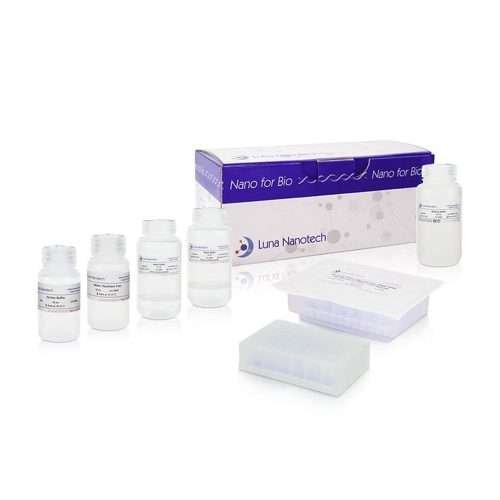
Silica spin columns can be used as standalone purification items or integrated into existing nucleic acid purification kits. Laboratories often use them to supplement kits when additional columns are needed or when custom buffers are preferred.
Researchers can select columns based on sample type, nucleic acid yield, and experimental workflow. Some formats include midi columns designed for larger sample volumes or higher nucleic acid recovery.
The flexibility of spin column technology allows laboratories to maintain efficient purification workflows without changing established protocols.
Explore Silica Spin Columns from You Do Bio
At You Do Bio, silica spin columns are designed to support reliable nucleic acid purification workflows. Our columns are compatible with many purification protocols and can be used to isolate DNA and RNA from a wide range of samples.
These products are suitable for genomic DNA extraction, plasmid purification, RNA isolation, and PCR cleanup workflows. Laboratories can easily select the appropriate column format based on sample size and purification requirements.
Visit our product page to review product specifications, explore available column formats, and add items to cart when selecting the right purification tools for your laboratory workflow.
FAQ
What is a silica spin column?
A silica spin column is a purification device that contains a silica membrane inside a plastic column. It is used to bind and isolate nucleic acids such as DNA and RNA during centrifugation-based purification workflows.
Why does DNA bind to silica spin columns?
DNA binds to silica membranes under high-salt buffer conditions. These conditions promote interactions between nucleic acids and the silica surface, allowing DNA to remain attached while contaminants are washed away.
What samples can be processed using spin columns?
Spin columns can be used with many sample types including cultured cells, tissue samples, yeast, bacterial cultures, and fresh and dried blood.
What applications use silica spin columns?
Common applications include DNA extraction, RNA purification, plasmid DNA isolation, PCR cleanup, and gel extraction.


 Silica spin columns
 Silica spin columns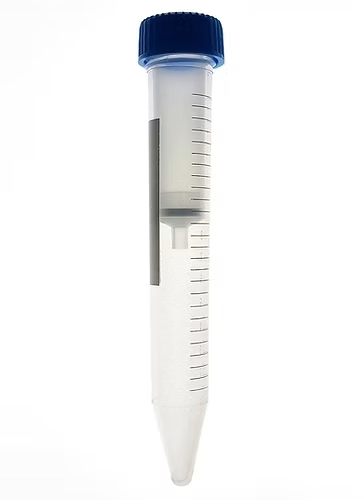
 Silica spin columns
 Silica spin columns
 Silica spin columns
 Silica spin columns